Circular Process – From Textile Waste to New Clothing

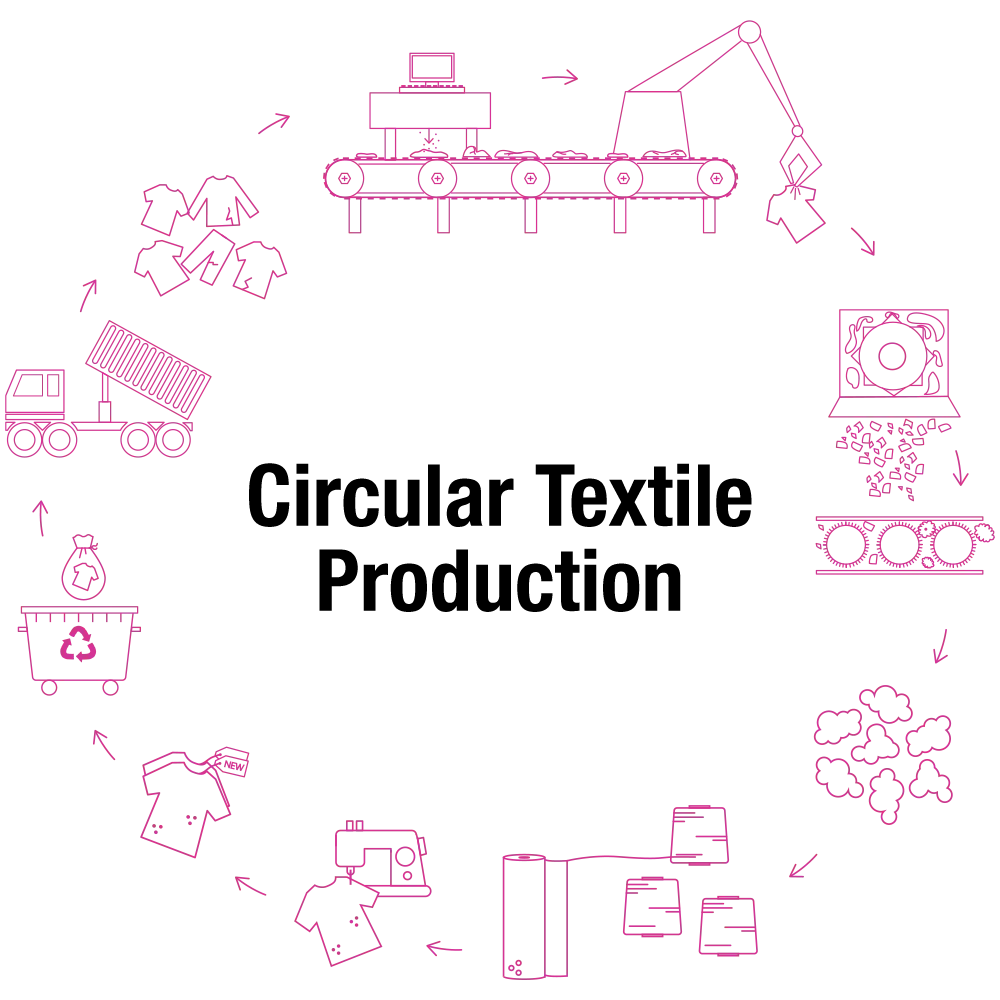
The journey from discarded textiles to new garments follows a structured circular process, ensuring maximum resource efficiency and sustainability.

The Process

The mechanical recycling of textiles involves the following key steps:

1. Collection of Textile Waste

Gathering post-consumer and industrial textile waste.

2. Initial Sorting

Separating reusable and recyclable textiles.

3. Automated Sorting

Using AI-driven technology to categorize textiles by material type and color.

4. Shredding

Breaking down textiles into smaller fragments.

5. Carding

Processing the material into open fibers suitable for spinning.

6. Spinning

Transforming fibers into high-quality recycled yarns.

7. Fabric Production

Weaving or knitting the yarns into new textiles.

8. Garment Manufacturing

Creating new clothing from the recycled fabrics.
Read about our sorting process
Not all textile waste is suitable for mechanical recycling. Some materials can undergo chemical recycling, while others may be repurposed through upcycling or downcycling.

Explore each step in greater detail below the illustration.

1

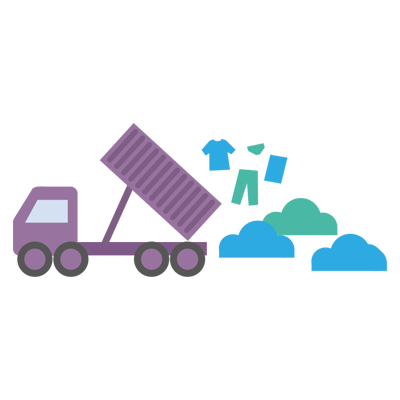
DEPOSITION OF TEXTILE WASTE:
We collaborate with various waste textile suppliers, categorized into four main groups:

- Recycling centers/municipalities
- Textile industry
- Laundries
- NGOs

2

DISTRIBUTION:
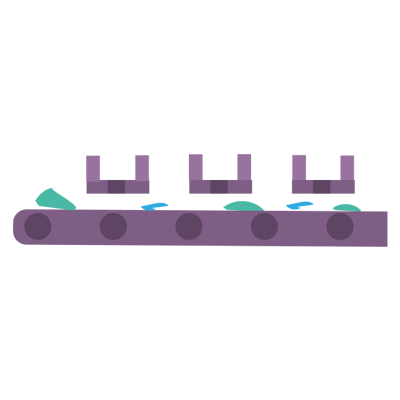
To prevent textiles from developing odors or rotting due to moisture, swift processing is essential. Distribution begins by ensuring textiles are not stacked, allowing for a clear overview of the quantity on the conveyor belt. We implement traceability at the batch level for quantity monitoring.

3

PRE-SORTING:
Following distribution, a preliminary sorting stage takes place, separating all items that are not textiles. Moreover, damp and malodorous textiles are segregated, with a specific sorting process aimed at identifying materials suitable for potential reuse.

4

SORTING:
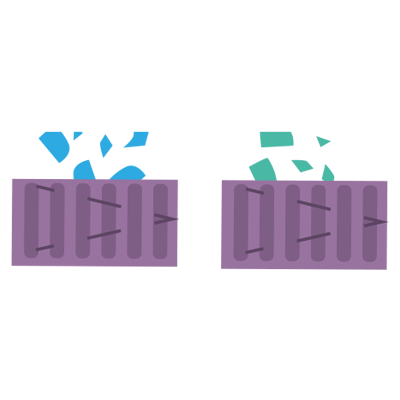
This is the core of NewRetex's sorting process. Textiles are sorted based on material type, material composition, structure, and colors. We use a well-established technology that has been further developed for more accurate data. After data registration, conveyor belts are used to distribute the different materials into the correct fractions.

5

SHREDDING:
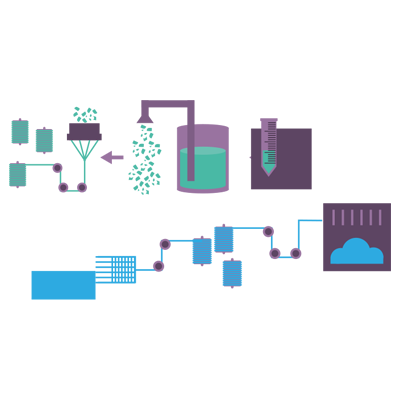
Depending on the subsequent processes, qualities are shredded into different sizes and transformed into open fibers if they are to be spun into yarn.

6

SEPARATION OF TEXTILES AND BUTTONS, ETC:
To facilitate the recycling process, whether chemical, mechanical, or thermal, it's crucial to separate the "hard parts" such as buttons, zippers, embellishments, etc. This separation process is mechanical.

7

TYPES OF RECYCLING:
There are three main types of recycling that can "transform textiles into new fibers": mechanical, chemical, or thermal. The different recycling types depend on input, i.e., quality, while others depend on colors. For this reason, we specialize in detailed sorting in material, color, and structure.

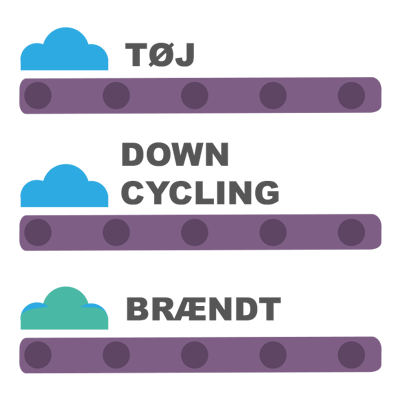
Our goal is to keep as significant quantities as possible within the same loop, ensuring that clothing becomes clothing again. However, some quantities are 'downcycled' and enter new product categories such as paper, insulation, panels, etc., while others are incinerated if the material composition cannot be recycled or if textiles are wet or soiled.

8

FINISHED PRODUCTS READY FOR SHIPPING:
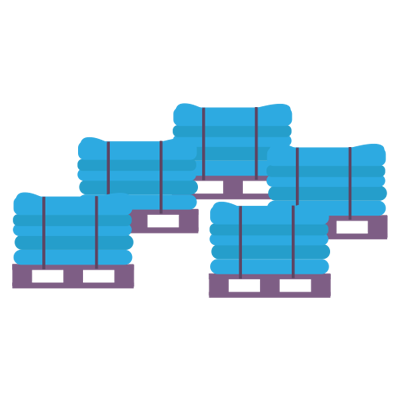
We work with a Danish and European setup for further recycling processes, where the shredded textiles end up as new yarn and fabric.

9

RECYCLING PROCESS: 
The actual recycling is performed by other companies than NewRetex. Here, we operate within a Danish/European setup to ensure knowledge and development in nearby markets.

10

TRADITIONAL TEXTILE PROCESS:
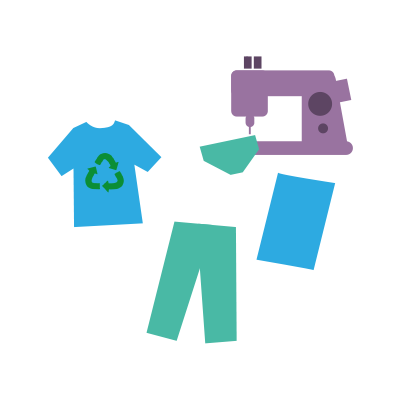
Now begins the traditional manufacturing process where yarn, fabrics, etc., transform into a finished product, such as a T-shirt.

11

TAKE BACK SYSTEM:
We offer a Take Back system for companies that want to submit textile waste, discarded textiles, claims, cutoffs, and remnants for recycling. We provide tailored solutions and also offer complete loops where the same company submits and receives textiles.
Contact us today

Newsletter: Learn about our upcoming projects

Sign up for our newsletter and we will keep you updated on developments at NewRetex. Our newsletter is sent through LinkedIn - click below to sign up
Sign up!